
Date
GAMES
ENA Dream BBQ - Chapter 1: The Lonely Door
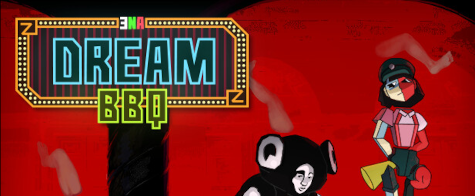
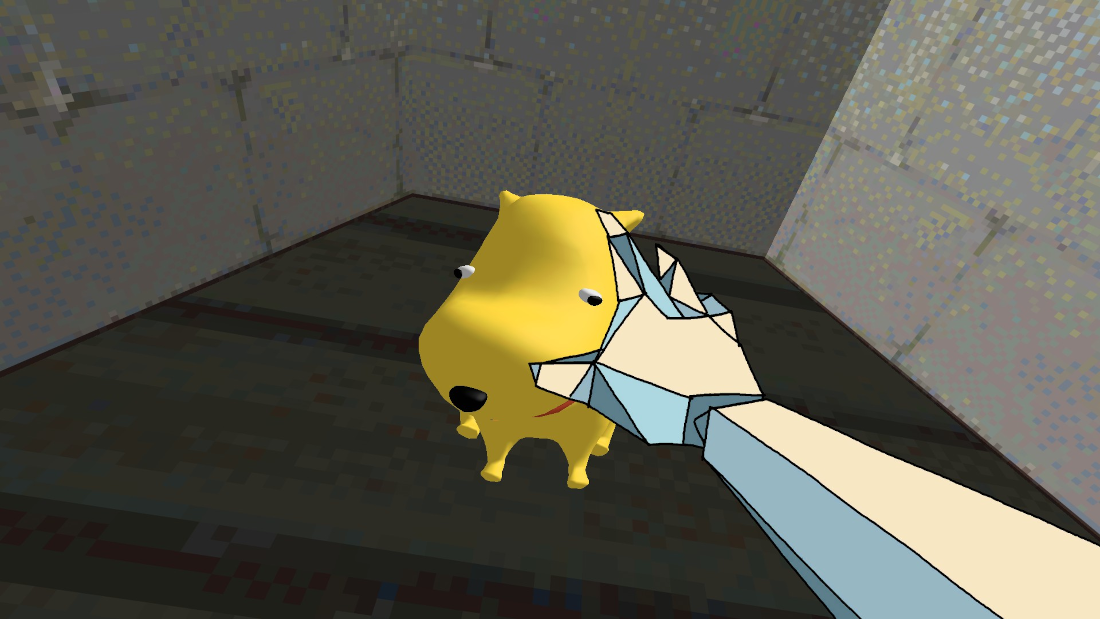
A few months late, but better late than never, as the kids say. Yes, I’ve finally gotten around to playing what is probably one of the projects I’m most looking forward to seeing develop. From artist and creator Joel Guerra and the ENA Team comes the first installment of the newest venture into the quirky universe of the internet’s favorite two-faced, two-voiced protagonist, in ENA: Dream BBQ Chapter 1 – The Lonely Door. This is only the first chapter in this adventure, but just like the short animations on Youtube that started it all, a lot of good can come from small packages.
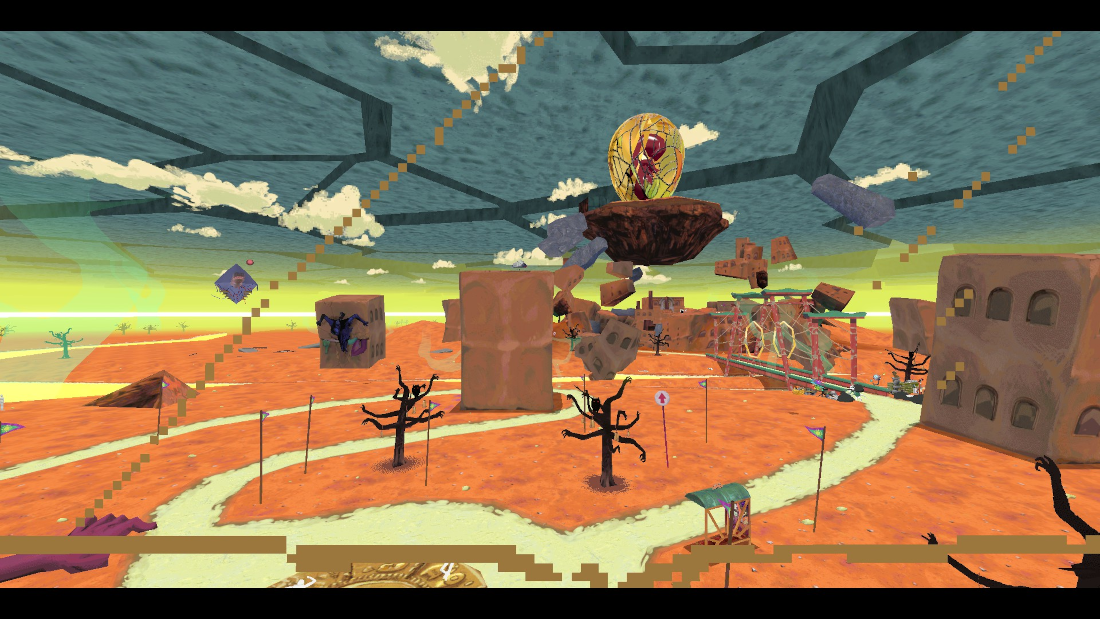
Right off the bat, the player is dropped into a strange world, with only the barest semblance of direction. This is the point. The trademarks of Joel G’s style are strange locales, zany characters, and obtuse, cryptic dialogue. If you’re unfamiliar with ENA, trust me when I say you’re not going to have the foggiest idea of what exactly is going on as you traverse the strange little town beyond the Lonely Door. (And, no, watching the Youtube shorts first will not elucidate anything, although they are very much still worth watching if you like weird art that refuses to explain itself.) That being said, if you’re ok with just being along for the ride and admiring the scenery, a very fun ride it is.
The gameplay consists of exploring, platforming, interacting with NPCs, finding items, and completing small quests that serve you along the way to completing an overarching main quest. The main goal of the first chapter, that being to visit the ‘Genie’ that resides behind the Lonely Door, to hopefully convince them to lessen the amount of choking smog inhibiting the main characters in their pursuits, can be achieved via (at least) two different routes. Environmental landmarks and hints from talking to characters create breadcrumbs drawing you in certain directions. This means that you’ll naturally be led down a route in a meandering, but still engaging manner, while having a solid idea of the different choices you could have made or areas you might have left unexplored. It all makes for an experience that feels loose and freeform, but not aimless.
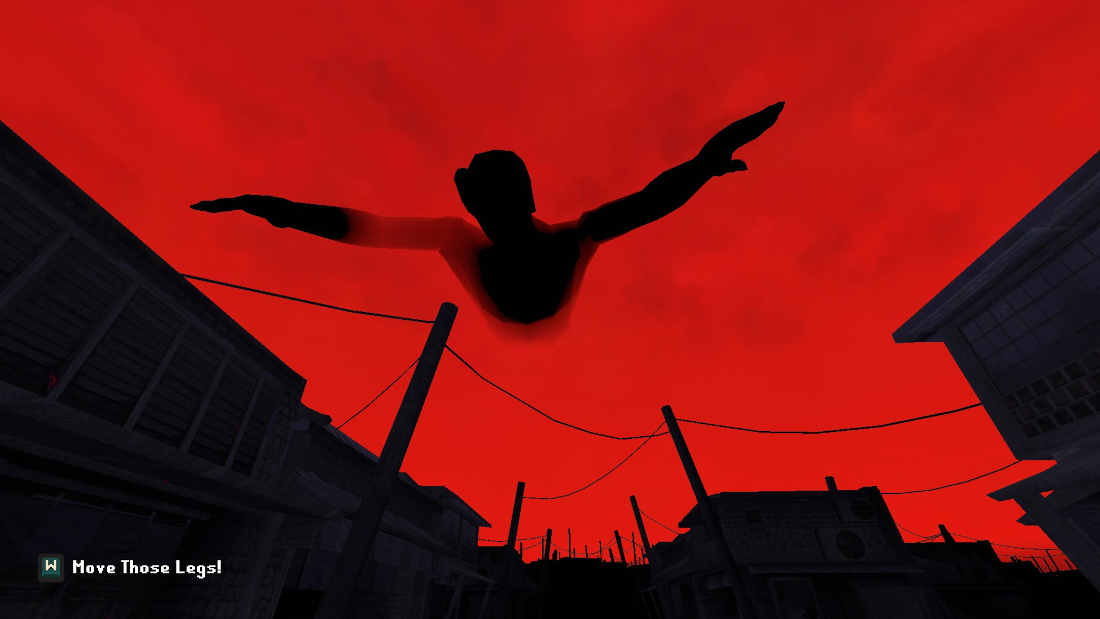
One thing a fan of the ENA series will note is the slightly darker tone Dream BBQ has when compared to the original shorts; while this is by no means a straight-up horror game, explicit depictions of blood and several casual mentions of death and rebirth, as well as a darker, contrasting color palette in some areas lend the experience a slightly creepy tone. Dream BBQ is inextricably linked to the previous entries in the series, however, by both references to and an entire area that shares the aesthetics of the original shorts. Do not expect to have any clearer idea of the “lore”, though. There are many things to chew on, strange additions that seem important to understanding the world or symbolic of some greater thematic through line, but no concrete answers are given thus far. True to the nature of the series, the player is largely left to draw their own conclusions.
This little game, and ENA as a whole, are definitely not for everyone. If you lean towards the “art for art’s sake” mentality, you’ll have a much greater appreciation for the wacky, abstracted madness that defines ENA. Those who value gameplay first, looks second, might find Dream BBQ lacking; it’s not exactly ground breaking in terms of mechanics. However, I invite those with such leanings to give it a shot, as Joel’s off-the-wall style of humor and some unexpected moments make the game worth playing even if you find it to be mostly nonsense. The game is free to play on Steam, with a $10 ‘Supporter Edition’ that gets you some in-game goodies to unlock.
Barony
If there’s two things the gaming world never seems to tire of, it’s dungeons and games that feel like gambling. Barony is a first-person dungeon-crawling rougelike developed and released by Turning Wheel LLC in 2015. The Steam page highlights the game’s tough-as-nails and mechanically deep gameplay, inspired by such classics as Ultima Underworld and The Elder Scrolls II: Daggerfall.
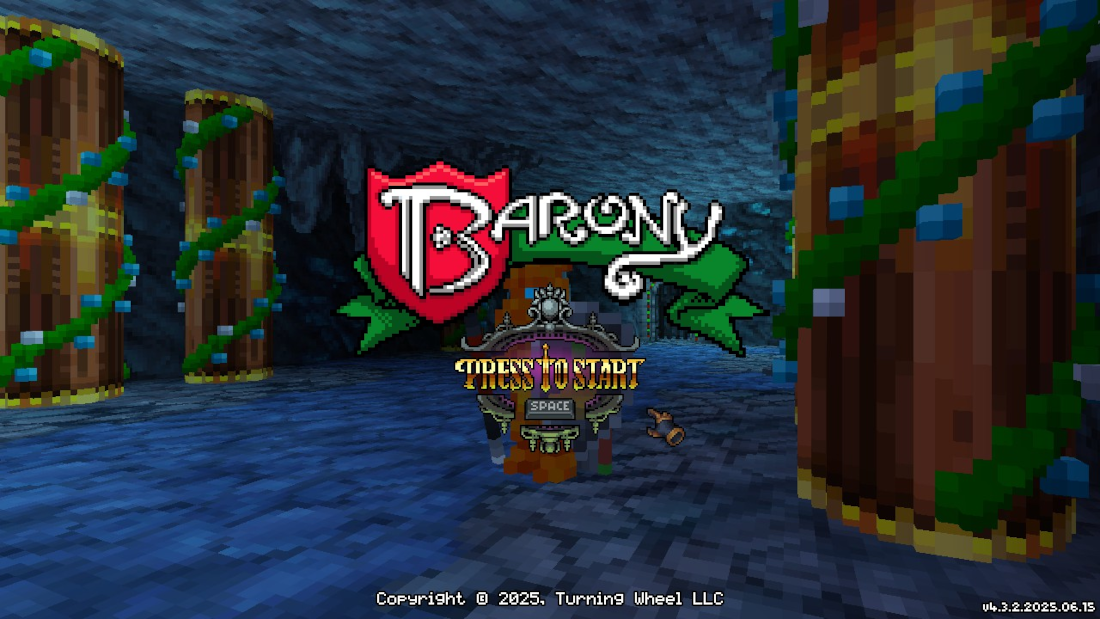
The game begins with an opening cutscene, featuring hand drawn art, explaining the backstory of the game’s dungeon-delving events. The ruling baron was overthrown, but now reigns as a lich king from the mysterious labyrinthine dungeon leading under the town mine, luring adventurers to their doom within. We love a good rebellion story in this house.
At the start of your adventure, the player is presented with a number of classes, all with their own strengths, weaknesses, and starting gear. These classes are defined by their bonuses to attributes and skills. These range from the usual skills, like weapons and magic, to more niche skills, like Leadership, which allows for more specific commands given to NPC followers. The Warrior class, a name usually associated with damage dealing and little else, starts with a bonus to Leadership, giving a bit more flavor and distinguishing it from the solely melee-focused class, the Barbarian. The class info also helpfully provides both a Complexity and Survivability rating for each class, giving players an idea of how difficult a class’s gameplay experience will be. My recommendations for a new player would be the Cleric, as you start with some decent armor and a helpful heal-over-time spell, or the Arcanist, for the early crossbow and ranged damage spell. If “Big Tanky Boi What Hits Stuff Real Good” is more your speed, the Barbarian is always a solid pick.
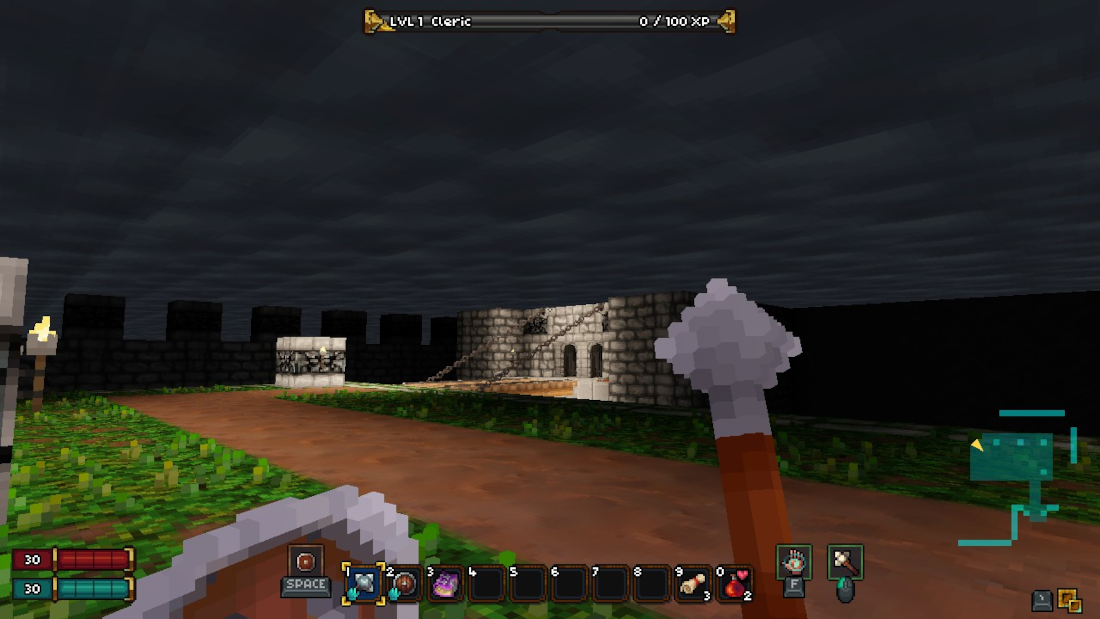
Over the course of one’s adventure, experience is gained, skills improve, and the player will level up, which increases their base attributes. Skills improve with use; ranged attacks level up the Ranged skill, weapons skills level up by hitting things with their respective weapon types, etc. All classes can still make use of things that are generally not their specialty. Any character can cast a spell from a spellbook, although less efficiently than one with a better skill in magic. A melee focused character will still find the chip damage from a ranged attack helpful; similarly, having a melee option on a ranged character is also helpful in a pinch. In general, the game rewards resourcefulness. You can throw harmful potions for extra damage, arm bear traps to immobilize enemies, and find a variety of magic staves and scrolls. Items that do direct healing are relatively rare, meaning your survival depends on your ability to take advantage of everything at your disposal.
Speaking of things at the player’s disposal, you will occasionally encounter other NPC adventurers in the dungeon, which the player can interact with to recruit. Recruited allies will follow you and generally try to be useful in combat. A higher Leadership skill can allow a player to command an ally to pick up equipment, instead of them carrying around the bronze weapons they usually spawn with, making them a little more effective. Otherwise, they’re not very smart and have a tendency to stand in one spot while monsters murder them to death. The game does get a bit easier when they’re there to distract enemies, though. Every once in a while, a higher level ally will randomly spawn in, but all that usually amounts to is a meat shield that lasts a bit longer.
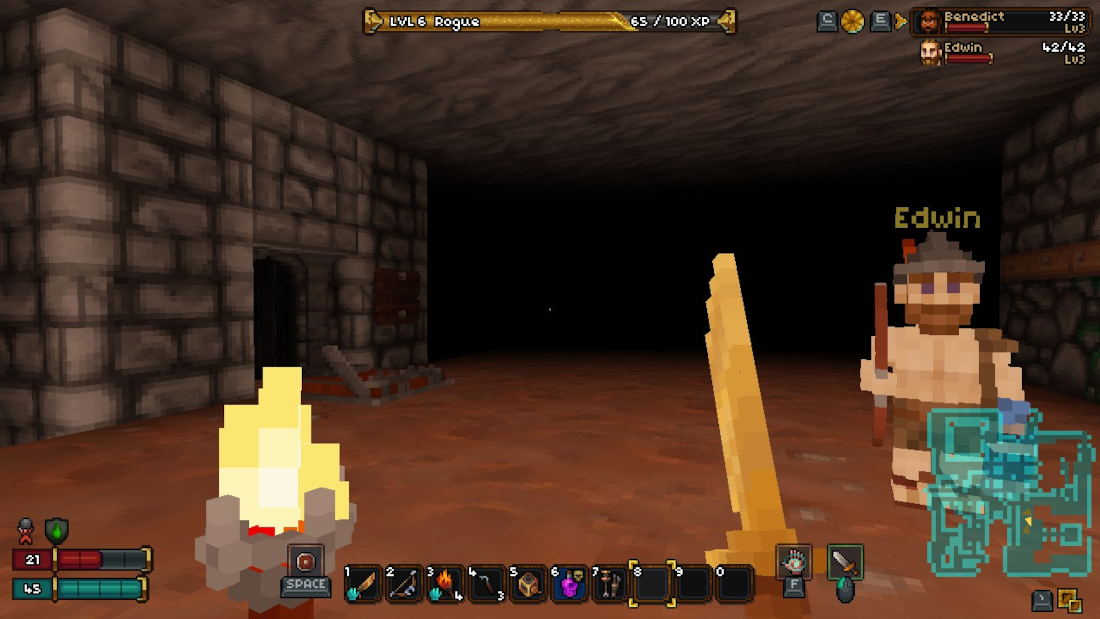
The game is definitely challenging as a solo experience. Healing is rare, monsters are brutal and relentless, and the dungeon is rife with traps and other hazards that can catch one off guard. The falling boulder traps have been the cause of most of my deaths, but the mimic chests and succubi that might spawn from a magic fountain are also equally scary. Additionally, chests containing valuable loot are often guarded by stronger enemies, such as trolls, which can be nigh impossible to kill as a lone low level delver. You’ll notice that most of the screenshots are from the first levels of the dungeon. I’ve only managed to make it to the second set of levels a few times. Even with a full party of NPCs putting themselves in front of the baddies, a big enough group of goblins or even just one or two corrosive slimes can melt through them. This leads me to believe that having one or two intelligent players on your side might make it easier to get farther than I have.
The best way to describe the game’s difficulty would be ‘unforgiving, but never unfair’. Most deaths feel like a result of your own mistakes, whether that be getting yourself cornered by enemies you really shouldn’t have aggro’d, or failing to notice a boulder hole for the thousandth time. The only mechanic that can feel tedious at times is the food and hunger system. It stings when an otherwise good run comes undone because you run out of fresh food and get unlucky while taking chances on food that can make you sick and hungry all over again. Thankfully, if you find this mechanic annoying, two classes are specially designed to help mitigate the impact. The Wanderer starts with a healthy supply of food, and the Monk, in addition to punching like a truck, starts with a ring that slows the hunger rate dramatically, making it almost negligible.
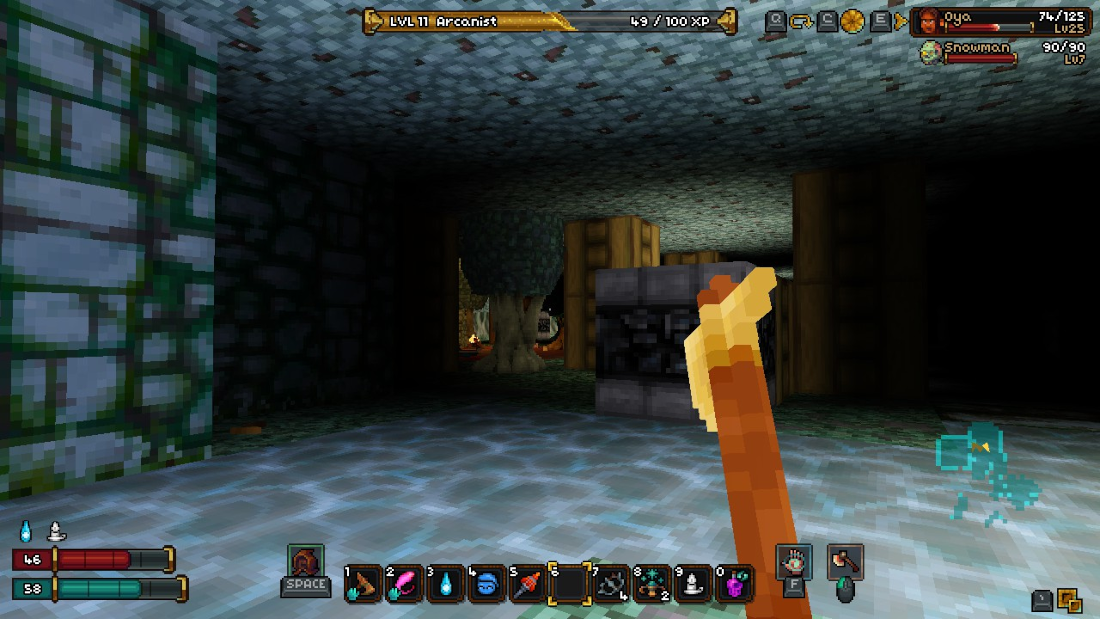
Barony is a solid dungeon crawler for players looking for a real test of wits. Both LAN and online multiplayer are available, in addition to “Seed Events”, which are essentially seeded challenge runs, often with certain race or class restricitoins. The game will run you 20 USD on Steam. Two sets of DLC are available, introducing more classes and monstrous player races, and more updates are on the way at the time of writing. The devs are actively working on the game, and intend to for the forseeable future.